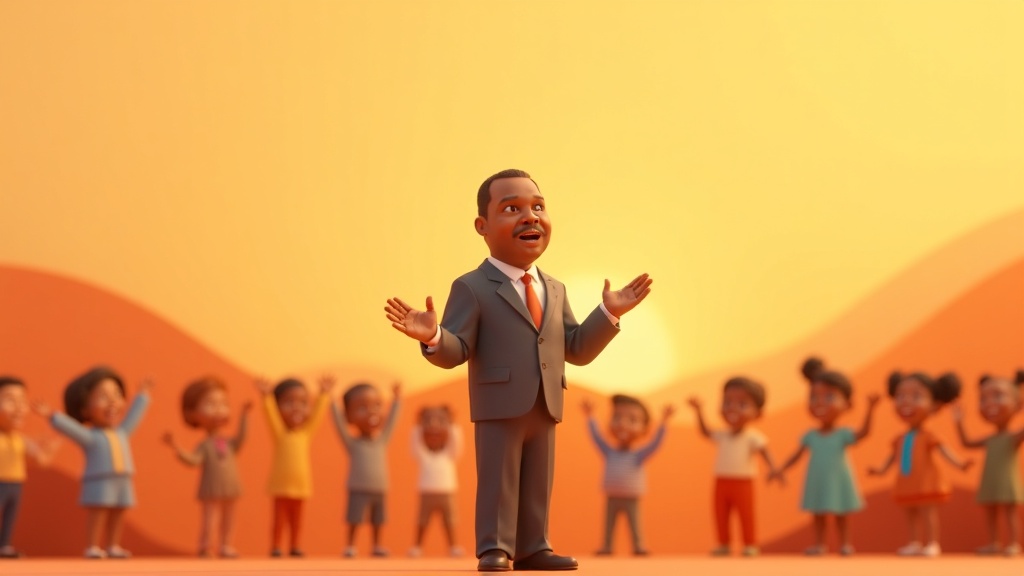
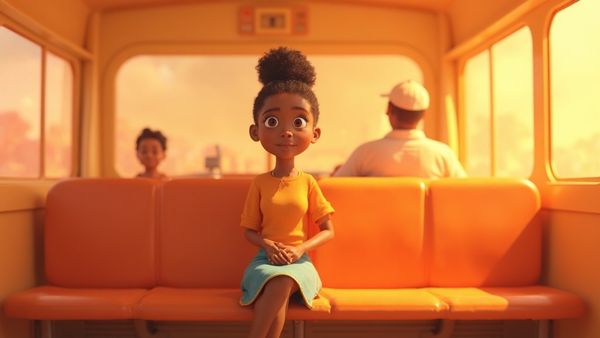
The Rosa Parks bus story is about a brave woman who refused to move to the back of a segregated bus in Montgomery, Alabama, on December 1, 1955. Her $14 fine led to a 381-day boycott! This story teaches kids about standing up for fairness and equality for everyone.
Imagine getting on a bus and being told you have to stand up just because of the color of your skin. Sounds unfair, right?
That was the reality for many people in a time called segregation. But one amazing woman, Rosa Parks, decided she had had enough! On December 1, 1955, in Montgomery, Alabama, Rosa did something brave that helped kick off one of the most important moments in the fight for fairness: the Civil Rights Movement. Rosa Parks was not just a tired lady; she was a dedicated activist who changed the world from a bus seat!

Mira says:
"Wow, Finn! Rosa Parks was **42 years old** when this happened! That’s not old at all! She later said, 'The only tired I was, was tired of giving in.' That means she was tired of unfairness, not just sleepy!"
What Was Segregation Like on the Bus?
In some parts of the United States a long time ago, there were unfair rules called 'Jim Crow' laws. These laws made it illegal to keep people apart based on their race. This was called segregation.
On the buses in Montgomery, Alabama, there were sections. White people sat in the front, and Black people sat in the back. But here’s the tricky part: if the white section filled up, Black passengers were forced to give up their seats to any white person who needed one, even if the Black person was already sitting in the 'Black' section.
Rosa Parks was sitting in the first row of the section reserved for Black passengers. When more white people got on and needed seats, the bus driver told Rosa and three other Black passengers to move. The others moved, but Rosa stayed right where she was. She felt she was already sitting in the correct spot!
Mind-Blowing Fact!
Before the famous day in December, Rosa Parks had actually attended a workshop about nonviolent ways to fight unfair laws at the Highlander Folk School in Tennessee! She was prepared to stand up for what was right.
How Long Did the Fight for Fair Bus Seats Last?
When Rosa Parks refused to move, she was arrested and fined $14 for breaking the bus laws. That might not sound like a lot today, but it was a big deal then!
Instead of letting this be just one person’s problem, the Black community leaders decided this was the time for a big change. They organized a boycott, which is when a large group of people agree to stop using a service to protest it.
From Dec 5, 1955, to Dec 20, 1956
Approx. number of African Americans who joined the boycott
Year Supreme Court ruled segregation on buses unconstitutional
How Did the Community Stick Together?
The plan was simple but hard work: NO ONE would ride the city buses! This was a huge deal because as many as 75% of the bus riders were African American. The bus company quickly started losing lots of money.
But people couldn't just stop riding; they had to get to work and school! So, they organized amazing alternative rides.
The Amazing Alternatives to Riding the Bus
People walked super long distances, sometimes for miles, in the hot or cold weather. They used carpools, where neighbors took turns driving each other. Some even used bicycles or rode mules!
This showed incredible teamwork and a shared commitment to fairness for everyone in the kids' history books.
💡 Did You Know?
The boycott was organized by the Montgomery Improvement Association (MIA), and a young minister named Martin Luther King, Jr., became their leader and a famous voice for the Civil Rights Movement during this time!
🎯 Quick Quiz!
What was the main reason Rosa Parks refused to give up her seat?
Why Was This Moment So Important for the Country?
The boycott lasted for 381 days! That’s more than a whole year of people walking instead of riding the bus!
The fight went all the way to the U.S. Supreme Court! In November 1956, the Court made a final ruling that said laws making buses segregated were unconstitutional—meaning they broke the main rules of the country.
- December 20, 1956: The boycott officially ends!
- Black citizens could finally sit wherever they wanted on the buses.
- Rosa Parks herself rode an integrated bus the very next day, sitting right in the front!
Rosa Parks’ brave, peaceful stand showed everyone the amazing power of people coming together to demand equality and justice. Her story is a great reminder that even one person, showing courage, can lead a movement for positive change for all kids and families today!
Questions Kids Ask About Civil Rights
Keep Exploring Fair History!
Rosa Parks made history by choosing fairness over fear. Keep learning about the heroes who fought for a better America! You have the power to make kind choices every day, just like Rosa did!