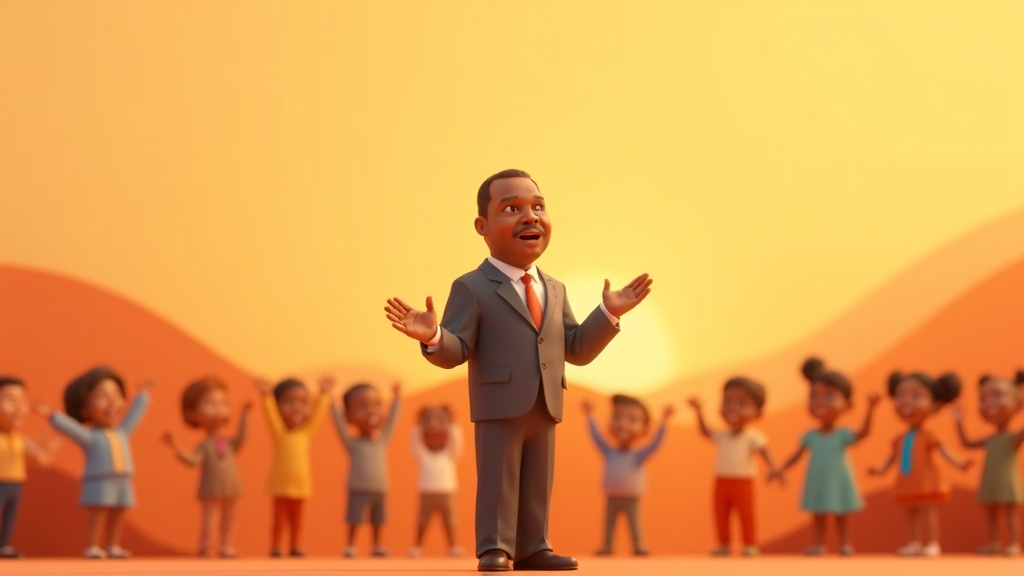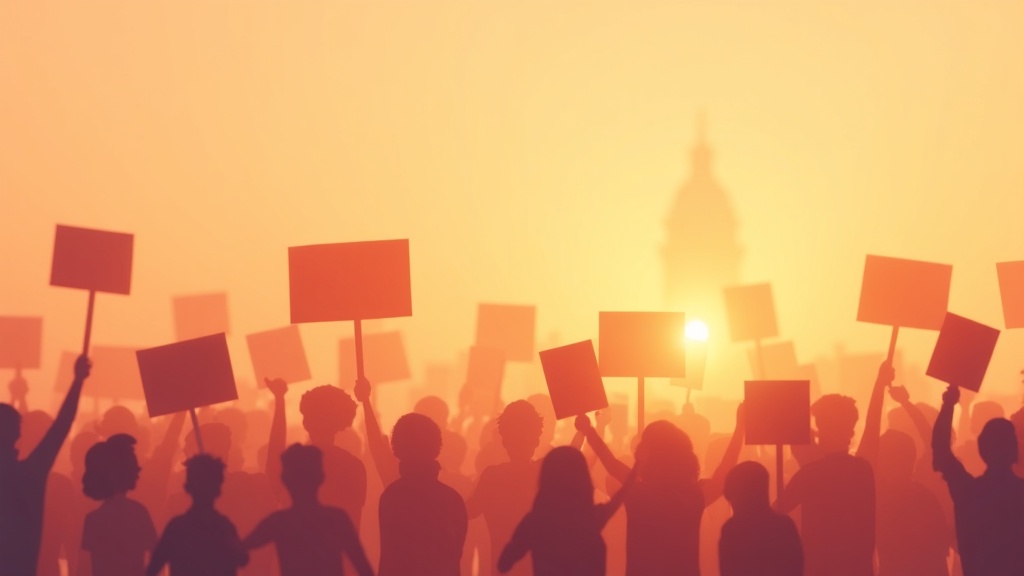
The Montgomery Bus Boycott was a mass protest where African Americans refused to ride city buses in Montgomery, Alabama, starting in 1955. This historic stand lasted 381 days until segregation on buses ended. It’s a powerful lesson for kids on standing up peacefully for fairness.
Imagine having to sit in the very back of the classroom, or not being allowed to drink from the water fountain just because of the color of your skin. Sounds unfair, right?
That was life for many African Americans in the 1950s, especially in places like Montgomery, Alabama. They lived under unfair rules called segregation. One of the most famous places this happened was on the city buses! But in 1955, one brave action turned into a massive movement that changed history. This was the Montgomery Bus Boycott, a huge stand for fairness that lasted for 381 days! This story is a powerful reminder that even kids can learn about standing up for what is right.

Mira says:
"Wow, over a year without riding the bus! That shows how much they wanted things to change. It took so much teamwork to walk or organize rides for that long!"
What Was Life Like on the Buses?
In Montgomery, Alabama, the city buses had strict rules based on race. These rules were part of something called 'Jim Crow' laws.
African American passengers made up about 75% of all bus riders, but they had to sit in the back sections.
If the front, white-only section filled up, African American passengers were forced to give up their seats to white passengers, even if they had been riding longer or were already seated in the back row available to them.
Bus drivers sometimes treated Black passengers very poorly—yelling at them, making them pay up front and then forcing them to get off and re-board through the back door, or sometimes just driving away after they paid!
Mind-Blowing Fact!
Before Rosa Parks, another amazing person named Claudette Colvin, who was just 15 years old, refused to give up her seat in March 1955. She was arrested, but leaders felt Rosa Parks was the perfect person to help start a city-wide protest.
The Spark: Rosa Parks and the Arrest
On December 1, 1955, Rosa Parks, who was a respected secretary for the NAACP (a group fighting for equal rights), was riding a city bus home.
When the driver told her and a few others to move so a white man could sit, Rosa Parks calmly said no. She decided she was 'tired of giving in.'
Because she refused to move, she was arrested and fined. Her arrest was the final spark that the community needed to take a powerful stand together!
(Over a year!)
(Estimated number of people)
(When the Supreme Court ruled)
How Did the Community Keep Going?
When the boycott started on December 5, 1955, people were asked not to ride the buses. They needed a new way to get around for over a year!
The community organized quickly to make sure people could still get to work, school, and the store. This showed incredible organization for kids and adults alike!
Building the Carpool System
The Montgomery Improvement Association (MIA) was formed to lead the boycott, and they chose a young pastor named Dr. Martin Luther King, Jr. as their president.
Since so many people relied on the buses, the MIA set up a giant carpool system with hundreds of volunteer drivers and about 40 pickup stations across the city.
Many people also walked long distances, sometimes miles, in all kinds of weather, or used taxis driven by supportive Black drivers.
💡 Did You Know?
The boycott was not just led by men! African American women, like Jo Ann Robinson of the Women’s Political Council (WPC), did much of the organizing and flyer distribution to get the word out quickly.
🎯 Quick Quiz!
What was the main goal of the Montgomery Bus Boycott?
Why Was It Such a Big Deal?
The boycott was a powerful example of nonviolent mass protest. This means people stood up for their rights without fighting or being violent, even when facing anger and threats.
The city tried to stop the boycott by arresting leaders like Dr. King and passing laws against boycotting, but the community kept walking and carpooling!
The protest hit the bus company hard in the wallet because 75% of their passengers stopped riding!
- The Legal Fight: Lawyers filed a court case called Browder v. Gayle to challenge the segregation laws directly.
- The Supreme Court Decision: On November 13, 1956, the U.S. Supreme Court ruled that segregation on Montgomery buses was unconstitutional (against the rules of the U.S. Constitution)!
- Victory: The boycott officially ended on December 20, 1956, after 382 days (some sources say 381), when the city finally had to obey the Supreme Court.
The success of the Montgomery Bus Boycott inspired people all over the South and the entire country. It showed that regular people, working together peacefully for a long time, could successfully challenge unfair laws and win! It was a huge step forward in the American Civil Rights Movement.
Questions Kids Ask About Civil Rights
Keep Exploring Fairness!
The Montgomery Bus Boycott is an awesome story about courage, community, and not giving up, even when things are hard. It reminds us that when people stand up for fairness together, they truly can change history! What unfair rules have you seen, and how could you work with others to make things better?