The British Empire was a vast collection of colonies and territories ruled by the United Kingdom across the globe. At its peak around 1920, it covered 24% of the Earth’s land area! Learn how this huge historical power grew from small trading posts.
Have you ever heard someone say, 'The sun never sets on the British Empire?' That sounds like a super-powered fortress, right?
Well, it wasn't a fortress, but an enormous collection of lands and countries controlled by Great Britain over hundreds of years! Starting in the late 1500s with trading posts, the British Empire grew and grew. At its biggest, it was the largest empire in all of history! By 1920, it covered about 24% of the Earth's entire land area! We’re going on an adventure to learn what this huge empire was all about for kids like you!
Mira says:
"Wow, 24% of the Earth! That's like owning every fourth playground in the whole world! I wonder what they traded for all that land?"
What Was the British Empire, Anyway?
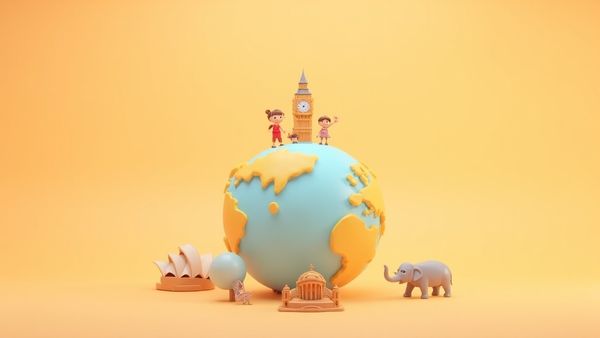
Imagine a giant family tree, but instead of relatives, it’s countries! The British Empire was a collection of colonies, trading posts, and territories that were ruled or heavily influenced by the United Kingdom. It wasn't just one big chunk of land; it was scattered all over the map, from Canada to Australia and many places in Africa and Asia!
It all began when England started setting up trading communities, like the famous East India Company in India in 1600. They weren't just looking for fun trips; they wanted riches, like spices and textiles, which were super valuable back then!
As Britain got stronger—especially after winning big wars against countries like France—it took over more and more land. They built up their power through exploration, setting up colonies where British people lived, and sometimes through fighting and conquest.
Mind-Blowing Fact!
The saying 'the empire on which the sun never sets' was true because the empire was so spread out across the globe that it was always daytime somewhere in one of their territories!
How Big Was This Giant Empire in Numbers?
To understand how huge this was, let’s look at some amazing stats from when the Empire was at its peak, around the early 1900s. It’s not just about how much land they controlled, but how many people lived under their rule!
Think about your school. If your school was the size of the British Empire, it would be about four times bigger than the entire country of the USA! It literally stretched around the entire planet.
(35.5 million km²)
(23% of world population)
At its maximum extent
How Did Britain Control So Many Places So Far Away?
Controlling land across oceans meant ships were super important! The Royal Navy, Britain's sea force, was the strongest in the world for a long time. They protected the trade routes so goods could move safely.
After they defeated Napoleon in 1815, Britain entered a time of great peace and power known as Pax Britannica (which means 'British Peace'). This let them focus on expanding trade and claiming new territories in Africa and Asia.
Key Ways the Empire Grew:
Trading Companies: Groups like the East India Company built trading posts that slowly became military bases and then full-blown rule, especially in India.
Settling New Lands: Britain sent settlers to places like Australia (starting in 1788) and New Zealand, establishing new societies under British control.
Wars and Treaties: Winning major wars, like the Seven Years' War, meant Britain took land from other European powers, like France, gaining huge territories in places like Canada.
💡 Did You Know?
One of the very first things the British Empire did after gaining power in some areas was to ban the slave trade! The Royal Navy worked hard to stop the Atlantic slave trade by sending out ships called the West Africa Squadron.
🎯 Quick Quiz!
What nickname was given to the British Empire because it was so spread out across the globe?
Who Were the Key Players in the Empire Story?
The Empire wasn't just run by Kings and Queens! Leaders like Queen Victoria, who was crowned Empress of India in 1876, held huge symbolic power.
It also involved thousands of regular people: brave explorers like Captain Cook, determined soldiers, clever traders, and millions of local people in the colonies who lived under British rule.
- The East India Company: A private company that became a massive political and military power in India before the British government took over directly.
- Colonists: People who moved from Britain to live in the new territories, like Canada, Australia, and South Africa.
- Sepoys: Indian soldiers who served in the army of the East India Company, often led by British officers.
- Governors and Officials: People sent from London to make sure the rules of the Empire were followed in far-off lands.
Even though the Empire is mostly gone today, its impact is still all around us! English is spoken in many countries because of it, and you can still see the legacy of British laws and sports across the globe. The story of the British Empire is a massive part of world history for kids and adults to explore!
Questions Kids Ask About British History
Keep Exploring Our Amazing World!
That was a whirlwind tour of one of the biggest things in history! Remember, history is full of big ideas, amazing journeys, and lots of people who made huge changes. What part of the world will you learn about next?