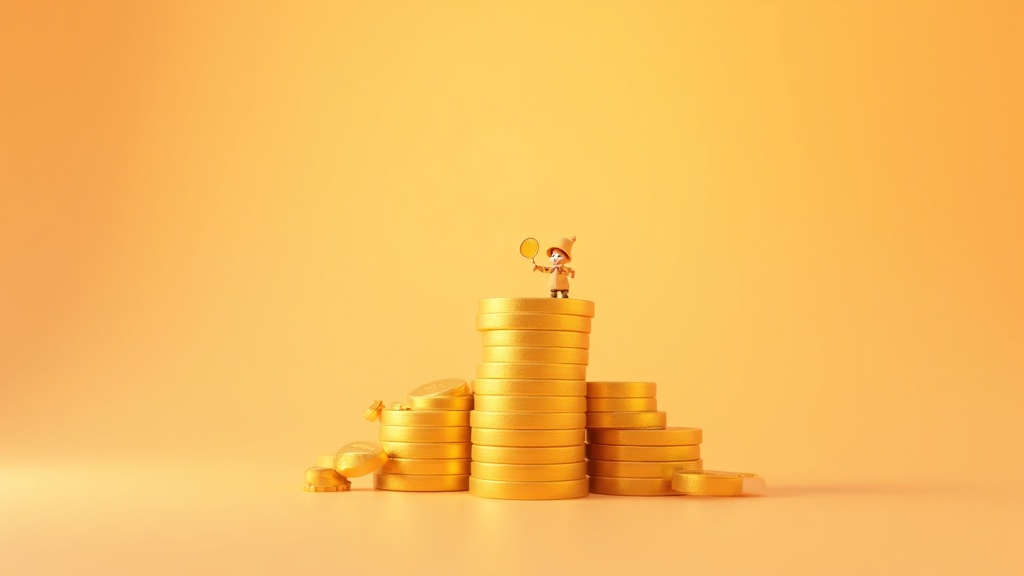
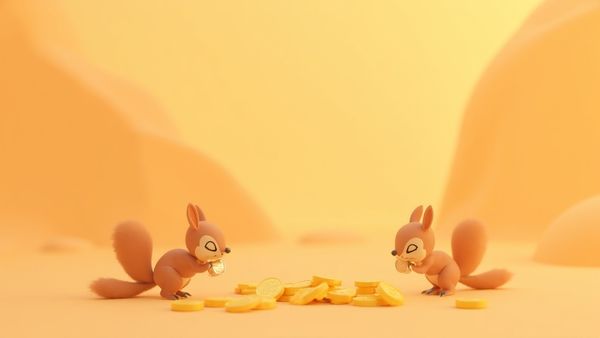
Ancient coins were standardized metal discs used as early currency, replacing difficult barter systems like trading a chicken for a snack. The first standardized metal coins appeared in Lydia around the 7th century BCE, stamped with a ruler's symbol to guarantee their value easily.
What if you wanted a giant chocolate bar, but all you had was a live chicken? How would you even begin to trade for it?
Way back in history, before we had dollars, pounds, or yen, people had a tricky time buying and selling things! This system of trading stuff directly is called barter, and it could get really complicated. Imagine trying to trade half a cow for a loaf of bread! To make things easier, people started using special items as money. The invention of ancient coins was a HUGE deal because it meant people could agree on a value and carry it around easily. These little metal discs are like tiny history books that tell us about ancient kingdoms and how they managed their money for kids to learn about today!

Mira says:
"I think it's so cool that the first metal coins were made from *electrum*—a mix of gold and silver! It’s like they mixed two treasures together to make something new and useful. That’s smart thinking for over 2,700 years ago!"
What Was Money Before Coins Showed Up?
Before coins, people used things that already had value, called commodity money. Think about things that were useful or hard to find. People used everything from large, heavy bars of metal to things like salt, cattle, and even cowrie shells!
Cowrie shells were used as money in places like Asia and Africa for a long, long time, maybe starting around 1200 BC. They were good because they didn't spoil and were easy to carry in small amounts. But if you needed to buy a house, you might need a *very* big bag of shells!
The problem with things like grain or cows is that they can spoil or they are too big. Plus, how do you trade one cow for two apples? It’s hard to cut a cow into small, fair pieces! This is why shiny, easy-to-count metal was such a brilliant idea.
Mind-Blowing Fact!
In some ancient societies, people traded with things like animal teeth or even pieces of leather stamped with a value! The Chinese once even used currency made from the skins of white stags collected by the Emperor!
The First Metal Coins: A Guaranteed Value
The real revolution in money started in the ancient kingdom of Lydia, in what is now Turkey, around the 7th century BCE (that’s about 2,700 years ago!).
The Lydians took *electrum*, a natural mix of gold and silver, and made the very first standardized metal coins. Why standardize them? Because the ruler would stamp a symbol, like a lion’s head, onto the coin. This stamp was like a promise: 'This piece of metal is worth exactly what the King says it is!' This stopped people from cheating by chipping metal off the edges!
How Did Roman Coins Take Over the World?
The idea of using coins spread like wildfire to ancient Greece and then to the massive Roman Empire. The Romans loved coins so much they copied the idea and made their own currency system that was used across huge areas!
The Romans used gold, silver, bronze, and a brass-like metal called orichalcum. Their most famous silver coin was the denarius. It was so popular that it was used for hundreds of years!
Reading a Roman Coin
Unlike today where most coins just have numbers, ancient coins were like little billboards! They showed off the power of the ruler.
The Romans often stamped their coins with the faces of current emperors—it was a great way to make sure everyone knew who was in charge, even if they couldn't read!
They also showed gods, goddesses, famous buildings, or even symbols of military victories. Coins were propaganda you could hold in your hand!
💡 Did You Know?
The word 'mint'—where we make our money today—comes from the name of a Roman goddess, Juno Moneta, whose temple in Rome was where they first made silver coins!
🎯 Quick Quiz!
Which ancient group is credited with creating the very first standardized metal coins?
Why Did the Value of Coins Change?
If a coin was pure silver, why wasn't it always worth the same amount? Great question! One big reason is debasement.
Debasement happened when rulers secretly mixed less precious metal (like silver) into their coins and kept the extra metal for themselves or to pay for wars. The coin looked the same but was actually worth less! This caused inflation, which meant prices went up for everyone buying things like bread.
- Gold coins (Aureus): Used mostly by the very wealthy for huge purchases.
- Silver coins (Denarius): The workhorse coin, often enough to pay a soldier for a few days.
- Bronze/Copper coins (As/Sestertius): Used for everyday small purchases, like buying bread or vegetables.
Even though the value changed over hundreds of years, Roman coins were so trusted they spread far beyond the empire! In fact, names we use for money today, like the Dinar or the Pound (which comes from the Roman unit of weight called the *libra*), are echoes of these ancient metal circles!
Questions Kids Ask About Economics
Keep Exploring the History of Exchange!
From trading one chicken for one apple to tapping a card on a machine, money has changed a lot! Ancient coins show us how smart people have always been at finding fair ways to trade and build amazing societies. Keep an eye out next time you see a coin—it might be a tiny piece of history!