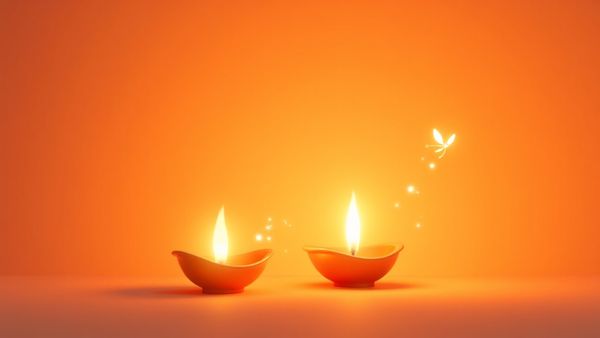
The Festival of Lights refers to celebrations like Hanukkah and Diwali, marking light overcoming darkness. Hanukkah commemorates a miracle where one day's worth of oil miraculously burned for 8 days after the Maccabees reclaimed their Temple. It’s a thrilling history lesson about faith and courage.
Imagine a time when the world felt dark, but a tiny flame refused to go out, shining brighter than ever! That's the magic behind the 'Festival of Lights'!
The name 'Festival of Lights' sounds like one amazing party, right? Well, it actually refers to a few different, wonderful celebrations around the world that all share the beautiful theme of light overcoming darkness! The most famous ones we’ll explore today are Hanukkah, a Jewish festival, and Diwali, a multi-day festival celebrated by Hindus, Jains, and Sikhs. Both holidays are packed with thrilling stories of bravery, faith, and, of course, lots of beautiful, glowing lights! We are diving into world history for kids to find out why these celebrations started and why they still shine so brightly today.
Mira says:
"Wow, Finn! So, a tiny bit of oil lasting for eight whole days? That’s way better than my juice box lasting all the way through recess! It makes you realize that even the smallest light can make a HUGE difference when you need it most!"
What is Hanukkah? The Eight-Night Miracle!
Hanukkah, also known as the Festival of Lights, is a Jewish holiday that usually happens in December. It lasts for eight nights and remembers a super important event that happened over 2,000 years ago! This story is about freedom and keeping faith, even when things get tough.
A long time ago, the Jewish homeland was ruled by a Syrian-Greek power. The ruler, King Antiochus IV, didn't want people to practice Judaism anymore. He made laws forbidding them from following their traditions and even made their most holy place, the Second Temple in Jerusalem, unclean by putting up statues of Greek gods.
Meet the Maccabees: The Fighters for Freedom
But a small group of brave Jewish fighters, led by a heroic family, refused to give up! They were called the Maccabees, which means 'hammer' in Hebrew, because they fought so hard! Led by Judah Maccabee, this smaller group went against the much larger Syrian army.
After years of fighting, the Maccabees won an incredible victory and took back the Temple in Jerusalem! The festival's name, Hanukkah, actually means 'dedication' because they dedicated the Temple back to God. This is a huge part of world history for kids to learn about—the triumph of the few over the many!
Mind-Blowing Fact!
The word 'Hanukkah' comes from the Hebrew word for dedication, which is exactly what the Maccabees did when they cleaned and re-dedicated the Temple!
The Incredible Oil Miracle of Hanukkah
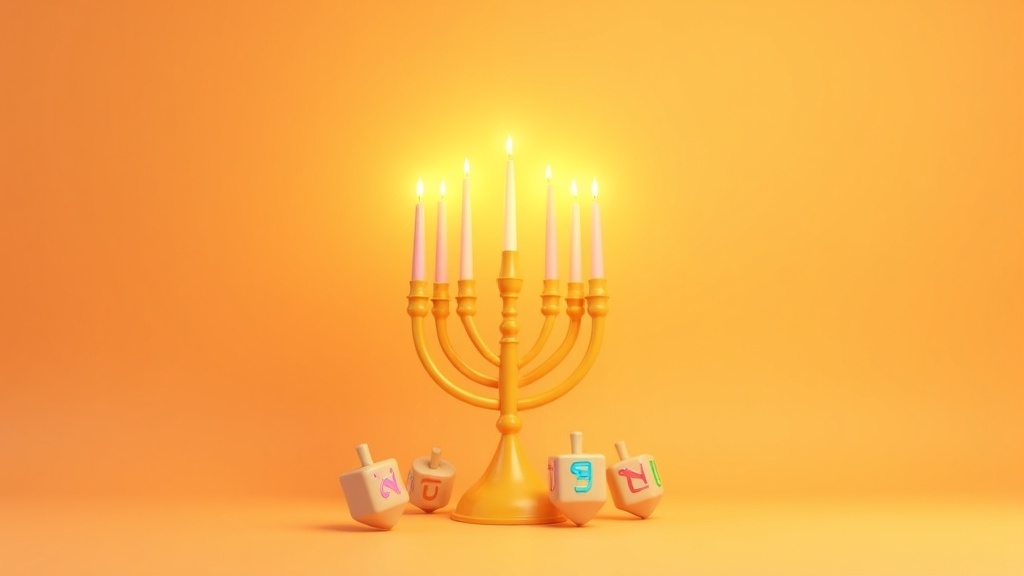
When the Maccabees got the Temple ready to use again, they needed to light the Menorah, a special lamp that was supposed to burn all the time. They searched and searched, but they could only find one tiny jar of pure olive oil—just enough to last for one day!
They lit it anyway, trusting in their faith. Guess what happened? The tiny flame miraculously burned and burned, lasting for eight full days! This gave them enough time to prepare new, pure oil. To celebrate this amazing miracle, Hanukkah is celebrated for eight nights by lighting one more candle each night on a special nine-branched candelabrum called a Hanukkiah.
The Hanukkah miracle lasted this long!
When the original Hanukkah events happened.
Total on a Hanukkiah (one is the helper, or Shamash).
What About Diwali? The Big Celebration of Lights!
Now, let’s jump over to India to talk about another incredible Festival of Lights called Diwali! Diwali is a super bright, five-day celebration for millions of Hindus, Jains, and Sikhs all over the world. The word Diwali comes from the Sanskrit words *dīpa* (lamp/light) and *āvali* (row), meaning a 'row of lamps'!
The main idea behind Diwali is the victory of light over darkness, and good over evil. It usually happens when the moon is darkest—around October or November—so the millions of little lights, called *diyas*, really stand out!
💡 Did You Know?
The main celebration night of Diwali often falls on the darkest night of the Hindu lunar month, making the lights shine even more brilliantly!
🎯 Quick Quiz!
What does the Hebrew word 'Hanukkah' mean?
Why is Diwali Celebrated?
Just like Hanukkah, Diwali has amazing stories behind it! For many Hindus, it celebrates the return of the brave Lord Rama to his kingdom of Ayodhya after defeating the evil demon king Ravana. The people lit up the entire city with lamps to welcome him home and celebrate light triumphing over darkness.
Other stories celebrate different victories, like Lord Krishna defeating the demon Narakasura, or for Jains, it marks when Lord Mahavira achieved *Nirvana*. For Sikhs, it’s known as Bandi Chhor Divas, celebrating the release of a Guru from captivity. No matter the story, the message for kids is the same: goodness wins!
- Lighting Diyas & Candles: Homes are covered in tiny oil lamps (diyas) and candles to welcome light and good fortune.
- Making Rangoli: Beautiful, colorful patterns are made on the floor at the entrance of homes using colored powder, rice, or flowers.
- Feasting & Gifting: Families share delicious sweets and savory foods, and exchange presents to show love and goodwill.
- Fireworks: Bright, colorful fireworks fill the sky to scare away any lingering bad vibes or evil spirits!
So, whether it’s the eight nights of Hanukkah or the five days of Diwali, the Festival of Lights reminds us all, no matter where we live, that hope, courage, and inner light can always push back the shadows. It’s a history lesson written in beautiful, glowing flames!
Questions Kids Ask About World History
Keep Exploring the Light!
You've learned the awesome history behind two major Festivals of Lights! From the courage of the Maccabees to the joy of Diwali's return, these stories teach us that a little bit of light—and a lot of bravery—can change the world. Keep shining brightly, history explorers!