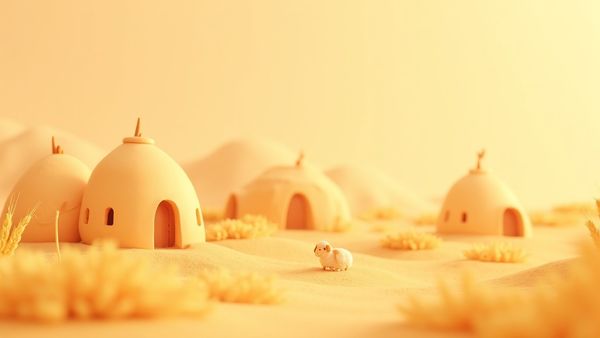
The Neolithic Revolution was the massive shift when humans stopped being nomadic hunter-gatherers and started farming and building permanent settlements. Beginning about 12,000 years ago, this change allowed people to domesticate plants and animals, which led directly to the first villages and cities.
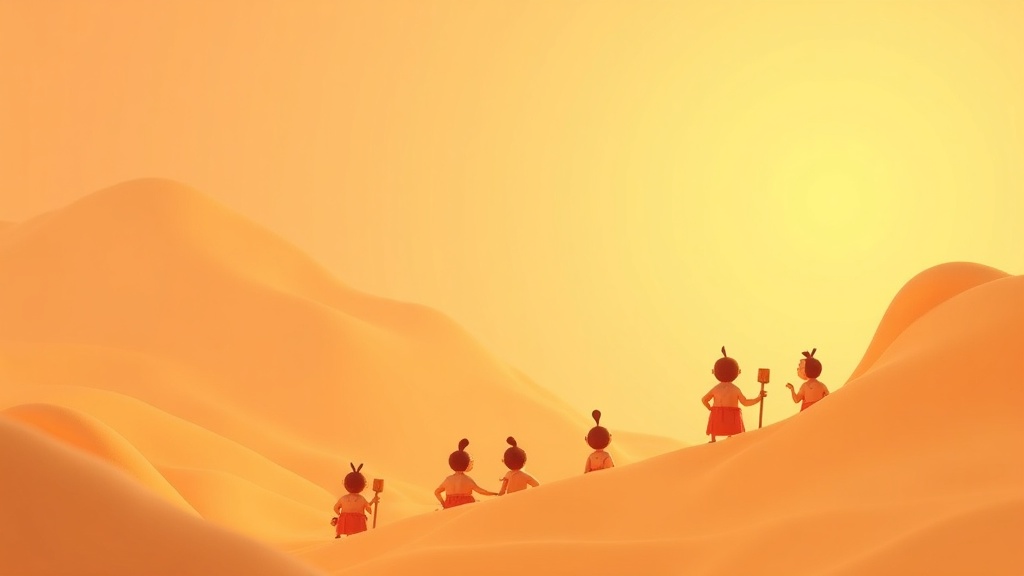
What if you had to move your entire house every single week just to find enough food to eat? That’s what life was like for most humans for thousands and thousands of years!
But then, something HUGE happened! It’s called the Neolithic Revolution, or the First Agricultural Revolution. This massive change started around 12,000 years ago, right after the last big Ice Age started to warm up! It was the moment humans changed from being nomadic hunter-gatherers—always searching for food—to becoming farmers who built permanent homes. This shift was so important that some experts think it was just as big as the Industrial Revolution that came much later!

Mira says:
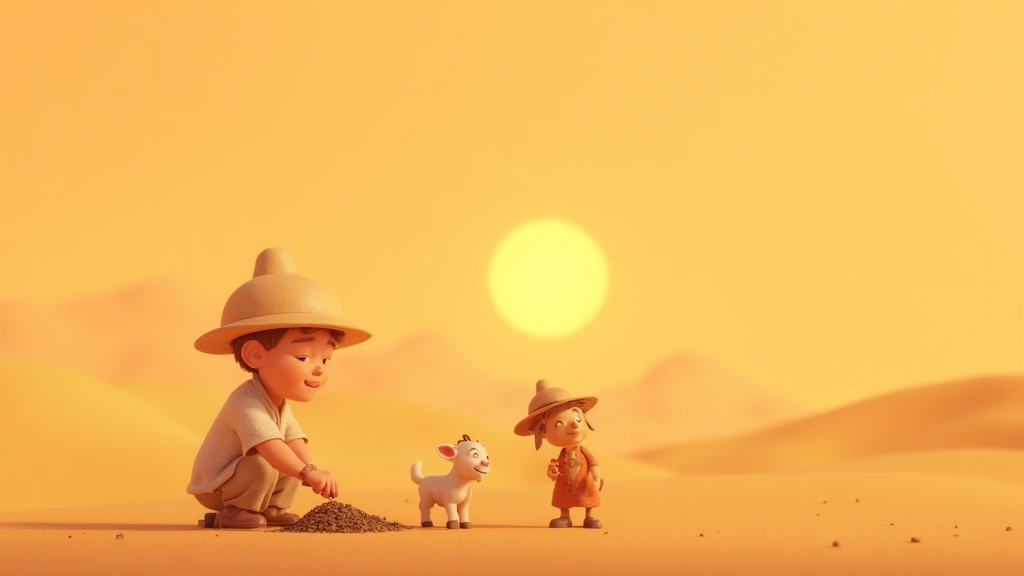
"Imagine trading your backpack for a shovel! That’s what the Neolithic Revolution was like. Suddenly, having extra seeds meant you could stay put and grow a whole neighborhood. It totally changed everything for the future!"
What Was Life Like Before the Revolution?
Before the Neolithic time, people were mostly nomads. This means they didn't have a fixed address! They followed the wild animals they hunted and gathered whatever edible plants they could find.
It was a life of constant movement and searching. Finding enough food for everyone took up almost all their time. They lived in small groups and used simple stone tools—which is why this time is part of the Stone Age!
Mind-Blowing Fact!
The term 'Neolithic Revolution' was actually invented by a smart person named Vere Gordon Childe back in the 1920s to show how important this change was!
The Big Change: Farming and Domestication Statistics
The Neolithic Revolution wasn't just about planting seeds; it was about domesticating plants and animals. Domestication means slowly taming wild things to live alongside humans and help them out.
People started by gathering seeds from wild plants like wheat and barley, perhaps as far back as 23,000 years ago! Then, around 11,000 years ago, they began intentionally farming cereal grains like barley in places like the Fertile Crescent.
At the same time, they started keeping animals. Evidence suggests people were herding sheep and goats in places like Iraq as early as 12,000 years ago.
(e.g., wheat, barley)
(Middle East region)
(After the last Ice Age)
How Did Living in One Place Change Everything?
When you can grow more food than you can eat right now, you have a 'surplus.' This surplus of grain was a game-changer! It meant people didn't have to wander anymore. They could build houses that stayed put, leading to the first villages.
With extra food secured, people could spend time on new things. Some people became potters to store that grain, others became builders to make stronger homes, and some even started making early art and religious objects.
Steps to Settling Down
First, people learned to save some seeds from a good harvest instead of eating them all. This ensured they had seeds ready for the next planting season.
Second, they started choosing the best spots near rivers or fertile soil to plant those seeds, slowly moving away from wild harvesting.
Third, they kept the friendliest wild animals (like sheep and goats) close by for a steady supply of milk, meat, and wool, rather than chasing them miles away.
💡 Did You Know?
Because people relied more on grains and less on a varied diet from hunting, some studies suggest that Neolithic farmers were actually a little shorter than the hunter-gatherers they replaced! The new diet also sometimes led to more cavities in their teeth.
🎯 Quick Quiz!
What is the name for the region where farming is believed to have started first?
Why Did This Revolution Lead to New Problems?
While staying in one place meant more food security in the short term, it brought new challenges for kids and families.
When people lived close together in crowded settlements, it was easier for sickness and diseases to spread. Also, with everyone relying on the same few crops, if the harvest failed, it was a disaster for everyone!
Because there were more mouths to feed and children had to be weaned sooner onto less varied foods, child mortality rates sometimes increased during this transition.
- Permanent Homes: Instead of tents, people built houses from mud bricks.
- Land Ownership: When you farm a field, you need to know it's yours, leading to the idea of owning land.
- New Technology: Tools got better, including sickles for harvesting and pottery for storage.
- Social Structure: Leaders started to appear because organizing big building projects (like Stonehenge!) required people to work together under direction.
The Neolithic Revolution completely set the stage for everything that came after—from simple villages to huge cities, written language, laws, and even the science that lets us study history today! It truly was the moment humanity chose a new path for life on Earth.
Questions Kids Ask About Prehistory
Keep Exploring the Stone Age!
Wow! You just learned about one of the most important turning points in all of human history for kids. Next time you eat bread or see a farm, remember the amazing people of the Neolithic period who started it all!