Italian food history traces back to Ancient Rome, but key ingredients like the tomato were new additions. Tomatoes first arrived from the Americas around 1548, initially grown only for decoration! Discover how these foods became world favorites for kids.
Do you love slurping spaghetti or biting into a cheesy slice of pizza? Get ready to travel back in time because the food you eat today has an amazing, super-long history!
Italian food is famous all over the world! Think of yummy pasta, flavorful sauces, and that famous round bread called pizza. While Italy only became one united country in the 1800s, its food traditions go way, way back to the time of the Ancient Romans! But some of the most famous Italian ingredients—like the tomato—didn't even start in Italy!

Mira says:
"Whoa! I always thought pasta was *always* covered in tomato sauce. It’s wild to think they ate it plain or with just cheese hundreds of years ago! Talk about a flavor glow-up!"
What Was Italian Food Like Before Tomatoes?
Imagine a plate of plain pasta. Sounds a little lonely, right? Well, before the mid-16th century, that’s what many Italians ate! Tomatoes are actually a New World fruit, meaning they came from the Americas (like Peru and Chile) and were brought to Europe by Spanish explorers.
When tomatoes first arrived in Italy around 1548, people were nervous! They thought the bright, exotic fruit might even be poisonous. For many years, they were mostly grown just to look pretty in gardens, not to eat. The first ones brought over were even small and golden-yellow, leading to the Italian name pomo d'oro (golden apple)!
Mind-Blowing Fact!
Before tomatoes became popular in the 1700s and 1800s, Italian food was flavored with things like garlic, onion, pepper, and lots of olive oil. Bread, pasta, olives, and beans were the super-staples!
The Long, Tangled Tale of Pasta
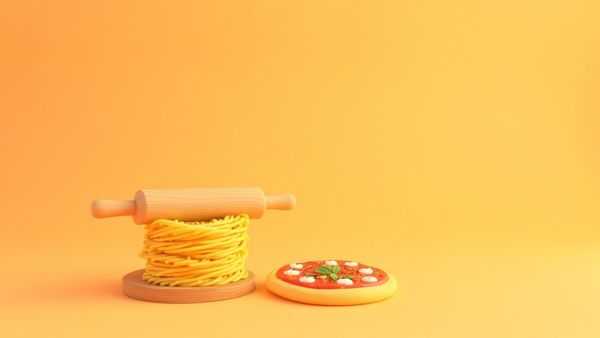
Pasta is the superstar of Italian food, but where did it really come from? It’s a bit of a mystery! Some people believe the famous explorer Marco Polo brought noodles back from China in the late 1200s.
However, historians found evidence that pasta-making tools existed in Italy long before Marco Polo was even born! It's more likely that Arab traders brought early noodle-making knowledge to Sicily in the 9th century. The Italians, especially in Sicily, became masters at drying pasta so it could last a long time—perfect for long sea voyages!
How Did Pizza Get Its Famous Red Sauce?
Pizza is one of the best foods ever invented, but the kind we love with bright red sauce is actually quite new!
Even though flatbread with toppings was eaten in Naples for centuries, the real game-changer happened after tomatoes finally became an accepted ingredient in Italian cooking. The first printed recipe for tomato sauce wasn't until 1790!
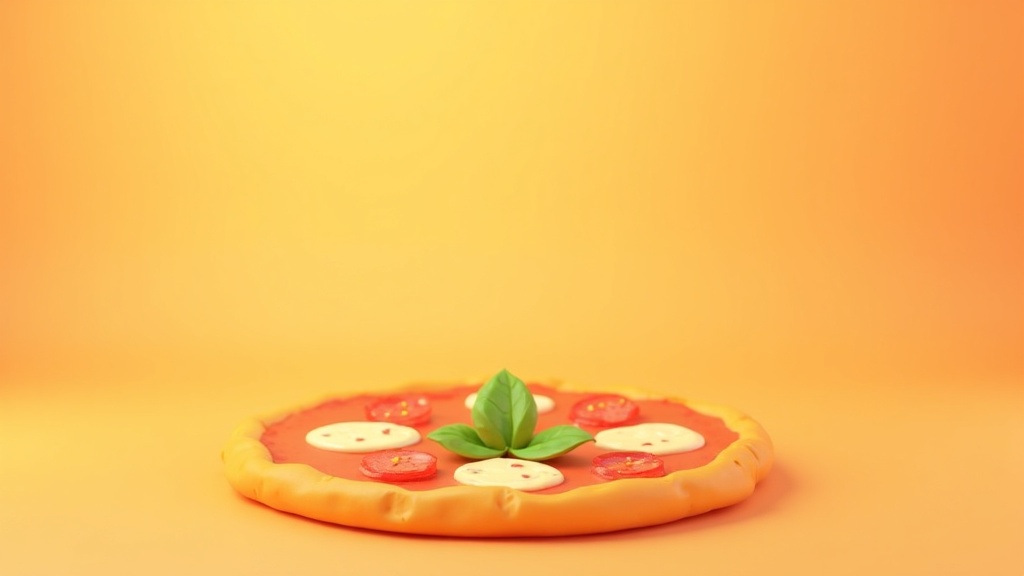
The pizza you know and love, Pizza Margherita, was created in 1889 by a pizza maker named Raffaele Esposito to honor Queen Margherita of Italy. He used the colors of the Italian flag: red (tomato), white (mozzarella cheese), and green (basil)!
Pasta Changes Over Time
In the early days, pasta was considered a luxury because the special wheat was expensive. People often ate it fresh or even dry with their fingers—no sauce needed! Once machines were invented in the 1700s and 1800s to make pasta faster, it became affordable for everyone and the delicious sauces came along!
💡 Did You Know?
Before Italy was one country, different regions had totally different foods! The north loved butter and polenta (made from corn), while the south had more olive oil and pasta because the climate was perfect for growing wheat. This is why there is no single 'Italian food'—there are 20 different regional cuisines!
Why Does Food History Matter?
Food history is all about discovery and sharing! Just like how inventors like Marconi shared the radio, explorers shared new ingredients like the tomato. Italian chefs took those new items and mixed them with old traditions to create the amazing meals we enjoy today.
These historical moments show us how food connects different cultures and how a simple ingredient can travel across oceans to become a global favorite for kids and grown-ups alike!
- Polenta: A porridge made from corn that was very popular in Northern Italy, especially for poorer families, and was eaten by Roman Legions!
- Gelato: The famous Italian ice cream is often said to have been perfected during the Renaissance, but frozen treats existed way before that!
- Caprese Salad: This simple salad of mozzarella, tomato, and basil is named Insalata Caprese because a chef created it on the island of Capri.
- Chef Boyardee: Yes, that canned pasta guy was a real person! Ettore Boiardi was an Italian immigrant who made his popular canned meals in the USA!
So next time you eat pizza, remember the journey: it started with an ancient dough base, met a New World fruit hundreds of years later, and finally got its famous sauce thanks to a chef honoring a Queen! Italian food history is delicious history!
🎯 Quick Quiz!
What was the original color of the tomatoes first brought to Italy?
Questions Kids Ask About Food History
Keep Exploring the Flavor of History!
Wow, we covered so much delicious history! From ancient Roman staples to the global takeover of pizza, Italian food has an incredible story. What other tasty traditions will you investigate next? Maybe you'll explore the history of chocolate or ice cream!