Nursing is one of the world's oldest jobs, where caregivers help the sick and injured. One of the first known Christian nurses was Phoebe, around 55 AD. Discover how Florence Nightingale transformed this crucial work into the modern profession we know today!
Have you ever been sick or scraped your knee and a caring grown-up rushed over to help you feel better? That person was acting like a nurse!
Nursing is one of the oldest and most important jobs in the world! For thousands of years, people have needed someone to care for them when they were hurt or ill. But nursing didn't always look like it does today. It’s changed a lot! In ancient times, care was often given by religious groups like monks and nuns. A big turning point came with amazing people who made nursing a real profession. One of the most famous is Florence Nightingale, born in 1820 in Italy! Her work during the Crimean War (1854–1856) changed everything for the sick and injured. Let's dive into how these history-making caregivers helped us all get healthier!

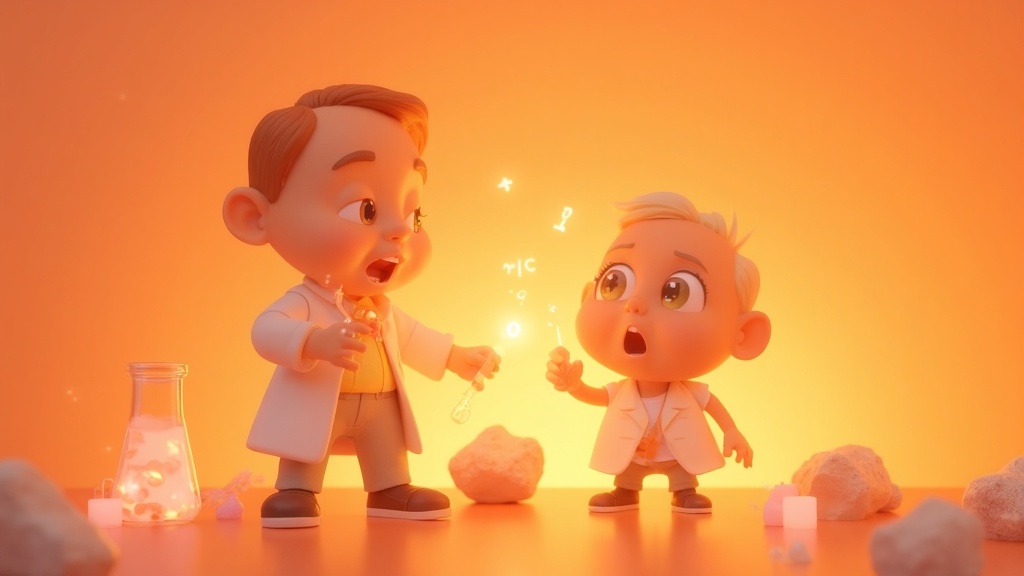
Mira says:
"Wow, Finn! It’s incredible that people have been caring for each other for so long! I love learning about the heroes who brought order and kindness to messy hospitals. Thinking about Florence Nightingale with her lamp makes me want to shine a light on all the amazing nurses throughout history!"
What is Nursing Anyway?
Before we zoom into history, what is a nurse? Think of nurses as the ultimate health detectives and helpers! They are the largest group of healthcare workers globally. Nurses check on patients, give medicine, change bandages, and, super importantly, offer comfort to scared people and their families.
In the very early days, care was often done by family members or people from religious organizations. Around 55 AD, a helper in the church named Phoebe is known as one of the first Christian nurses! Later, in around 390 AD, the very first general hospital opened in Rome, showing that organized care was starting to happen.
Mind-Blowing Fact!
The word 'nurse' actually comes from a Latin word meaning 'to nourish, to protect, and to sustain'—like a mother taking care of a baby! That’s a great description of what nurses do!
The Big Changes: From Convents to Classrooms
For a long time, mostly religious groups provided care, often running hospitals supported by churches or monasteries. But in the 1600s, people like St. Vincent de Paul and Louise de Marillac started groups called the Daughters of Charity. These nurses were special because they didn't stay hidden in a convent—they went out into people's homes to help the poor!
In North America, the first hospital, Hôtel-Dieu de Montréal, was opened by a French nurse named Jeanne Mance back in 1645! Even with these steps, nursing didn't become a formal, trained profession until the 19th century (the 1800s). That’s when Florence Nightingale stepped in and cleaned up the profession, making it respectable and modern.
In Florence, Italy!
The Nightingale Training School in London
Making it the largest healthcare profession in the country!
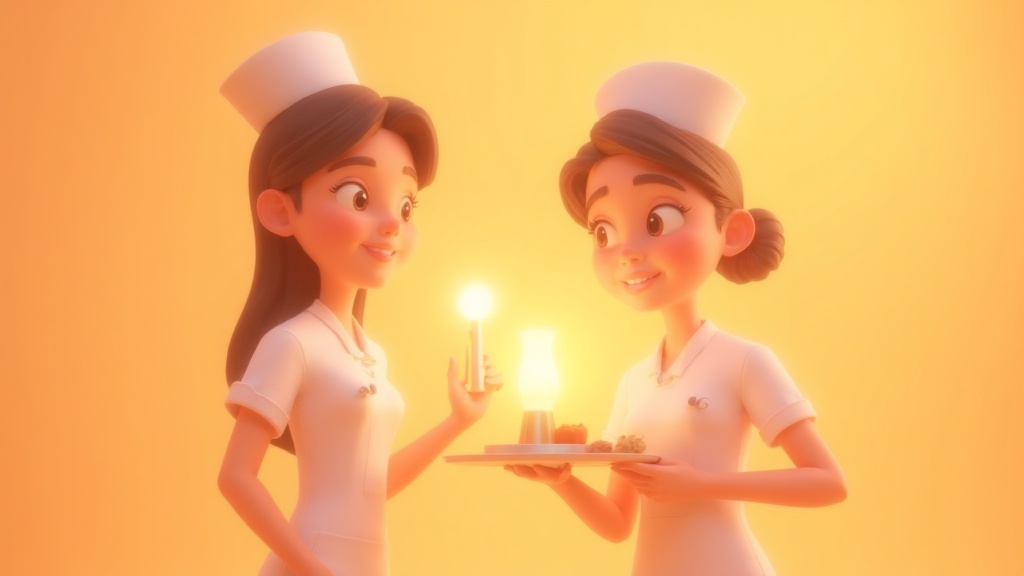
How Florence Nightingale Became 'The Lady with the Lamp'
Florence Nightingale was born into a wealthy family and was expected to live a life of parties and luxury. But she had a different calling! She studied math and information gathering, which she used to become an expert on what made hospitals messy and dangerous.
When a huge war called the Crimean War broke out in 1854, Florence led a team of 38 nurses to Turkey to care for wounded British soldiers. The hospitals were crowded, dirty, and had very little clean water or food.
Florence’s Big Fixes for Clean Hospitals
Florence used her organization skills to make huge, life-saving changes. It was like deep cleaning the whole hospital! She believed good health needed five key things: fresh air, clean water, good drainage (getting rid of yucky water), cleanliness, and light.
She made sure everyone washed their hands often, started a laundry service so beds and clothes were clean, and checked on patients for up to 20 hours a day! Because of her work, the death rate in the hospitals dropped dramatically. At night, she carried a lamp while checking on soldiers, earning her the nickname 'The Lady with the Lamp'!
💡 Did You Know?
After the war, Florence used money given to her to start the Nightingale Training School for Nurses in London in 1860. This school set the standard for how nurses are trained all over the world today!
🎯 Quick Quiz!
What was Florence Nightingale’s famous nickname from the Crimean War because she checked on soldiers at night?
Who Else Made Nursing History?
Florence is super famous, but she wasn't the only one! Many other brave people helped create the nursing profession we know for kids and adults today.
In the United States, Clara Barton was a hero who cared for the sick and wounded during the American Civil War (1861–1865). Later, she founded the American Red Cross!
- Linda Richards: Became America's very first officially trained nurse in 1873!
- Mary Seacole: Another nurse from the Crimean War who used her knowledge from the Caribbean to help heal soldiers.
- Sojourner Truth: A famous abolitionist who also worked as a nurse and fought for better nursing education.
- Benita 'Benny' Pratt: Trained at the Nightingale school and became the very first Black nurse to work in a modern hospital in the UK!
Today, nursing is for everyone—men and women from all backgrounds work as nurses. They help in so many ways, from helping babies in the NICU to caring for the elderly. Every time you see a nurse, remember the long, brave history that helped make their important job possible!
Questions Kids Ask About Famous People
Keep Exploring the History of Care!
Isn't that amazing? From ancient healers to the highly trained nurses saving lives today, the history of nursing is a story of compassion, bravery, and science! Next time you or someone you love gets care, remember the amazing journey nursing has taken!