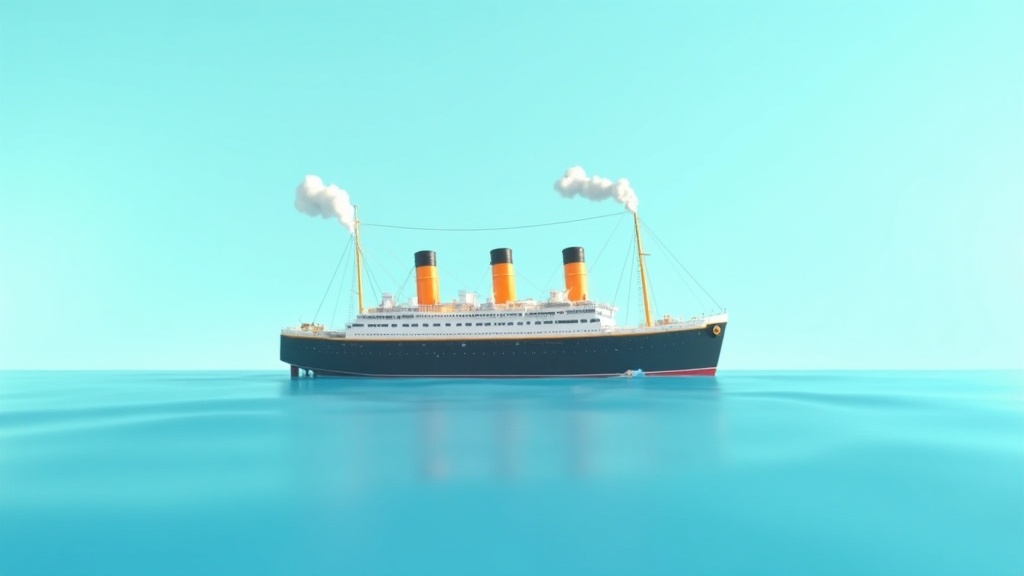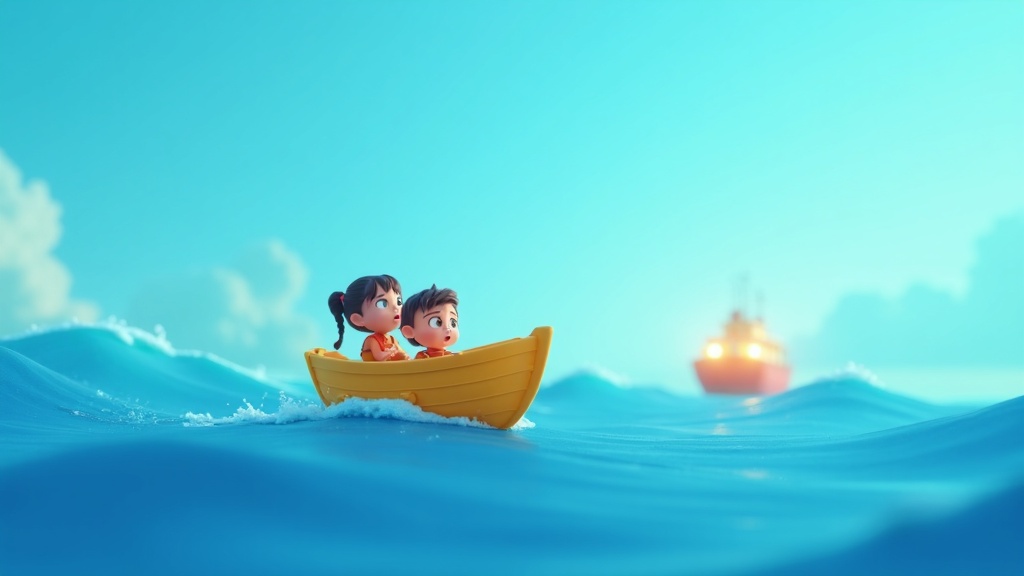
The RMS Carpathia was the hero steamship that raced through icy waters in April 1912 to rescue survivors after the Titanic sank. Captain Rostron pushed the ship over 17 knots to reach the distress signal! It’s an amazing true story of bravery for young history fans.
Imagine you’re cozy in your bed, and suddenly, a frantic message crackles over the radio! That’s what happened to the crew of the RMS Carpathia in the middle of the night.
You might know the sad story of the Titanic, the 'unsinkable' ship that hit an iceberg in April 1912. But what happened right after the iceberg collision is a tale of incredible bravery! The Carpathia, a smaller passenger ship, wasn't the closest ship, but she heard the Titanic's desperate SOS calls. Her captain and crew immediately turned their entire ship around and raced through dangerous, icy waters to help. This true story for kids is all about the amazing rescue mission performed by the Carpathia!

Mira says:
"Wow, Finn! Imagine steering a huge ship through the dark with icebergs all around, just to help people you've never met. That takes a special kind of courage!"
What is the RMS Carpathia?
The RMS Carpathia was a lovely steamship built in 1902 for the Cunard Line. While the Titanic was famous for being super luxurious, the Carpathia was also a great ship! She sailed between places like Liverpool and New York, carrying both immigrants traveling to America and wealthy people enjoying a cruise.
When the Titanic sent out its distress signal, the Carpathia was on a trip from New York to Fiume (which is now in Croatia). Captain Arthur H. Rostron, who was in charge, woke up in the middle of the night to the urgent radio calls. He didn't hesitate for a second! He ordered the crew to change course immediately and head straight for the emergency.
Mind-Blowing Fact!
The name 'Carpathia' comes from the Carpathian Mountains, a big mountain range in Central Europe! It's a much cooler name than just 'Ship Number 5'!
A Race Against Ice and Time!
The Titanic was about 58 to 60 miles away when the Carpathia got the SOS message. That sounds close, but Captain Rostron knew that area was full of deadly icebergs! To get there as fast as possible, he made his ship go much faster than normal.
The Carpathia’s normal top speed was about 14 knots, but Captain Rostron pushed the engines to go over 17 knots! He even turned off the ship's heating system so more steam power could go to the engines. That meant the rescuers themselves were freezing while racing to save others!
(on April 15, 1912)
(the exact count varies slightly)
(much faster than normal)
(time to reach the scene)
How Did the Carpathia Crew Prepare for the Rescue?
Captain Rostron knew that the survivors would be freezing, injured, and in shock. He didn't just rush the ship over; he prepared his whole ship to be a giant floating hospital and safe harbor!
He ordered rooms to be cleared, blankets gathered, and hot food like soup to be made. The dining rooms became emergency sickbays. This amazing planning meant they were ready the second the first lifeboat appeared.
From Distress Flares to Lifeboats
When the Carpathia arrived around 4:00 AM, the Titanic was already gone. Captain Rostron fired special green starburst rockets to signal the survivors.
It took the crew about four hours to carefully pull every single person out of the lifeboats and onto the deck of the Carpathia. They rescued 705 or 712 people, bringing them to safety!
The passengers and crew of the Carpathia were incredibly generous, giving up their own cabins, food, and clothes to the rescued people on the long journey back to New York.
💡 Did You Know?
The Carpathia arrived about an hour and a half after the Titanic sank. All the people who were rescued were already in lifeboats—sadly, those who had ended up in the freezing water did not survive long enough for the rescue ship to reach them.
🎯 Quick Quiz!
What special signal did Captain Rostron fire from the Carpathia to let the Titanic survivors know help had arrived?
Who Was the Hero Captain of the Carpathia?
The captain who made all these smart, quick decisions was Captain Arthur H. Rostron. He was known for being very strict but also very prepared!
For his heroism that night, Captain Rostron and his crew were honored by the survivors. The crew got bronze medals, the officers got silver, and Captain Rostron himself received a special silver cup and gold medal!
- Courage: He pushed the ship to speeds it wasn't really meant to hold for that long!
- Preparation: He turned his entire ship into a rescue station before seeing anyone.
- Kindness: His passengers and crew shared everything they had with the survivors.
- Legacy: The Carpathia proved that being prepared and responding to a call for help is one of the most important things a ship (or a person!) can do.
The amazing story of the Carpathia rescue for kids shows us that even in the darkest moments, there are heroes ready to rush toward danger to save others. Sadly, the Carpathia’s own story ended during World War I in 1918, when she was sunk by a German submarine, but her brave act of saving the Titanic survivors will never be forgotten!
Questions Kids Ask About Famous Ships
Keep Exploring History's Heroes!
The RMS Carpathia might not be as famous as the Titanic, but her crew’s quick thinking and bravery saved over 700 lives! History is full of incredible stories like this one—where ordinary people did extraordinary things. Keep listening to learn more about the amazing adventures that happened on the sea and around the world!